Why Winter Conditions Create Some of the Best Photography Opportunities in Northern Saskatchewan
Winter transforms northern Saskatchewan into a landscape unlike any other. As temperatures drop and snow begins to blanket the region, remote areas such as Keeley Lake become ideal locations for photographers seeking dramatic natural scenery, crisp atmospheric conditions, and wildlife encounters that can only be captured during the coldest months of the year.
From frozen lakes and snow-covered forests to vibrant winter skies, the northern wilderness offers a level of depth, contrast, and purity that photographers rarely find during warmer seasons.
Clear, Crisp Air Enhances Image Quality
Cold winter air contains less moisture, resulting in exceptionally clear visibility. This creates sharper images, stronger contrast, and deeper colors — especially during sunrise and sunset.
Photographers who visit Keeley Lake in winter often notice:
- More defined shadows
- Cleaner horizon lines
- Less haze over long distances
- Stronger detail in snow textures
These conditions make winter one of the best times to capture both landscape and wildlife photography.
Unique Lighting Throughout the Day
Winter sunlight behaves differently than summer light. Because the sun stays lower on the horizon, photographers benefit from extended periods of “golden hour” lighting, offering warm tones and soft shadows that enrich outdoor images.
At Keeley Lake, this leads to:
- Long-lasting sunrise glows
- Subtle midday lighting
- Dramatic afternoon shadows
- Pink and orange sky blends during early twilight
This consistent, high-quality lighting gives photographers more flexibility and creative opportunities.
Frozen Landscapes Create Natural Compositions
Frozen lakes and snowy forests provide strong visual structure for nature photography. Keeley Lake’s winter landscape includes:
- Transparent ice sheets with visible cracks
- Frost-covered trees
- Snow-dusted rock formations
- Frozen shorelines
- Natural patterns created by wind and snow
These elements form striking compositions that photographers can use to guide the viewer’s eye and build dynamic scenes.
The Opportunity to Capture Winter Sports and Movement
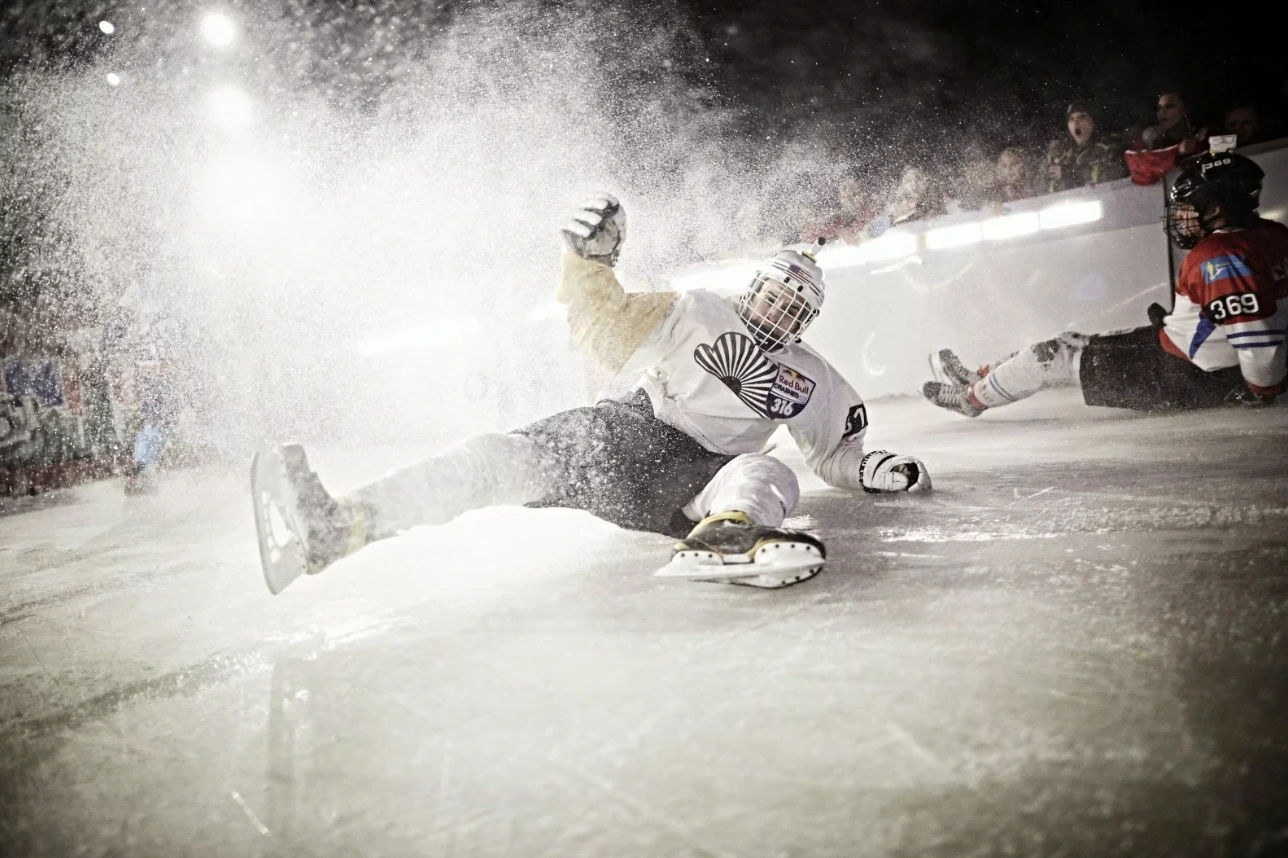
Northern Saskatchewan is not only a place for static winter landscapes — it’s also a hub for cold-weather activity. Photographers who enjoy capturing movement, speed, or action can take advantage of winter sports, adventure travel, or extreme activities happening throughout the season.
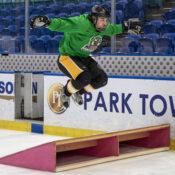
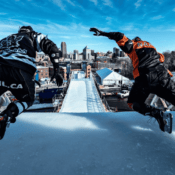
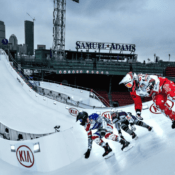
One of the fastest-growing winter sports to photograph is Ice Cross, known for its exhilarating speed, technical skating, and intense head-to-head races. Its explosive energy makes it a strong subject for both professional and hobby photographers.
For those interested in following Ice Cross events, global competitions, or athlete highlights, the most complete resource is
👉 WorldIceCross.com, the official home of the Ice Cross community worldwide.
Northern Wildlife in Winter
Cold weather creates unique opportunities to photograph wildlife that are more active or more visible during winter months. Around remote lakes, you may encounter:
- Foxes and coyotes
- Snowshoe hares
- Owls and winter birds
- Tracks from wolves or lynx
- Moose near forest edges
Snow provides natural contrast, making animals stand out clearly in photographs while also revealing movement patterns.
A True Wilderness Experience
Winter photography around Keeley Lake offers more than just great images — it provides an authentic northern wilderness experience. The silence, the frozen air, and the sense of isolation create a shooting environment that feels both peaceful and adventurous.
Photographers who plan properly and respect the environment often describe winter at Keeley Lake as one of the most rewarding seasons for capturing Canada’s natural beauty.
For more information Check: Worldicecross